The slot industry in 2026 feels noticeably different from just a couple of years ago. Developers are no longer competing only with “bigger multipliers” or “more paylines” — the real race is happening inside the mechanics, the pacing, and the way games look and feel on modern devices. Today’s players expect faster onboarding, more interactive moments, and designs that are not only flashy, but readable, clean, and satisfying on mobile screens.
At the same time, casinos and studios have become more careful about retention. The goal is not to overwhelm players with endless features, but to guide them through a smooth experience where each session feels rewarding, understandable, and visually premium. This is why 2026 slot machine trends focus on balanced volatility, smarter bonus design, richer animations, and UI that supports long sessions without fatigue.
Below is a detailed breakdown of what changed in slot mechanics and design in 2026, and why these trends matter for both players and the future of online casino entertainment.
Modern Slot Mechanics in 2026: More Control and Better Flow
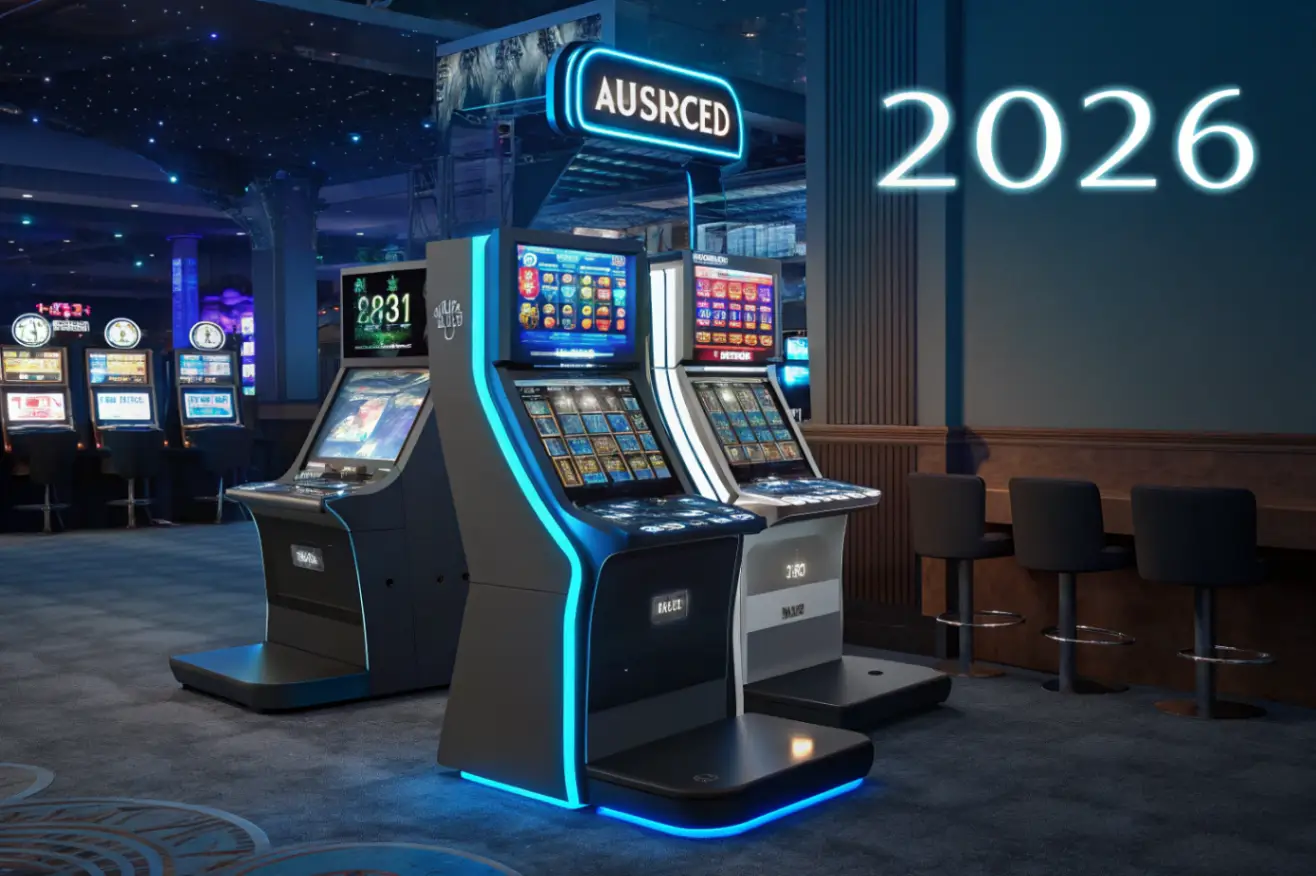
One of the biggest changes in 2026 slot mechanics is the way games handle “player flow.” Instead of relying on long dead-spins and rare bonuses, many studios build systems that keep the game moving with mini-events, escalating features, and frequent “micro-wins” that make the session feel alive.
A major trend is the expansion of dynamic reel behavior. Traditional fixed reels still exist, but more games use shifting layouts, changing reel heights, or temporary reel expansions that appear during certain conditions. This approach makes gameplay feel less repetitive because the screen is not always the same. Even if the base RTP stays similar, the perceived variety becomes much higher.
Another important evolution is how volatility is presented. In the past, players often had to guess whether a slot was “high risk” or “low risk” based on vague descriptions. In 2026, volatility is integrated into the design language itself. High volatility slots often show more dramatic sound design, bigger visual build-ups, and stronger contrast between base game and bonus rounds. Medium volatility games, on the other hand, emphasize rhythm and consistency, offering smoother sessions that work well on mobile.
Bonus triggers also changed. While classic scatter triggers remain popular, many new slots use layered triggers where a bonus can be upgraded, re-rolled, or expanded depending on what happens inside the feature. This gives the player the feeling that the bonus round is not just “a cutscene,” but a playable phase with tension and progression.
Finally, studios increasingly add mechanics that feel like skill, without actually turning the game into a skill-based product. This includes features like pick-and-reveal bonuses, branching bonus paths, and interactive decisions that change the type of reward. The result is a more engaging experience that keeps players emotionally involved, even though the core outcomes remain RNG-driven.
Best Slot Features in 2026: What Players See More Often (Table)
The easiest way to understand 2026 slot game design is to look at the features that are appearing repeatedly across new releases. These mechanics are not “experimental” anymore — they are becoming the new standard for modern online slots.
Before we break down the design trends, here is a quick overview of the most common slot features in 2026 and what they add to gameplay:
| Slot Feature Trend (2026) | What It Changes in Gameplay | Why It Became Popular |
|---|---|---|
| Expanding reels / dynamic grids | The screen layout shifts during wins or bonuses | Creates variety and stronger bonus excitement |
| Multi-stage bonus rounds | Bonus features can evolve or upgrade mid-round | Feels more interactive and less predictable |
| Persistent collectors | Symbols gather values across spins or features | Builds long-term anticipation and progression |
| Cash collect mechanics | Collectors pick up coin values for bigger payouts | Simple to understand, satisfying on mobile |
| Enhanced free spins | Free spins include modifiers, multipliers, or random boosts | Keeps bonuses from feeling repetitive |
| Feature buy options | Players can purchase direct bonus entry | Appeals to fast-paced players and streamers |
| Mystery symbol upgrades | Symbols transform during key moments | Adds suspense without complex rules |
| Split-screen bonus UI | Bonus info appears cleanly without clutter | Improves readability and reduces confusion |
After the table, the pattern becomes clear: modern slot mechanics are built around clarity, momentum, and repeatable excitement. Players want features that are easy to understand in seconds, but still feel deep enough to stay interesting for hours. That’s why the strongest 2026 slots combine familiar mechanics with smart upgrades instead of inventing completely new systems that require long explanations.
The table also highlights another important direction: slots are becoming more “session-friendly.” Instead of relying on one rare huge moment, developers add multiple smaller peaks that keep the entertainment value consistent.
Slot Design Trends 2026: Mobile-First UI and Cleaner Visual Identity
In 2026, slot design trends are heavily shaped by mobile usage. Developers now treat mobile not as a “smaller version” of the desktop game, but as the primary platform. That changes everything: symbol readability, button placement, animation speed, and even the way bonus information is displayed.
One of the biggest design shifts is minimalism with high detail. This sounds contradictory, but it makes perfect sense in practice. The background art may be cinematic and rich, but the core interface is cleaner than before. Modern slot UI design avoids unnecessary frames, thick borders, and cluttered counters. Instead, the game focuses on the reels, the key feature indicators, and the win presentation.
Another major change is typography and icon clarity. Many older slots used fantasy fonts that looked stylish but were hard to read on small screens. In 2026, studios choose fonts that stay sharp even at small sizes, with better spacing and improved contrast. This makes the game feel more premium and more comfortable during long sessions.
To make the experience smoother, many developers also reduce visual noise. They use fewer flashing effects in the base game and reserve intense animations for bonus moments. This is not only a design choice — it’s also a retention strategy, because players are less likely to feel fatigue or irritation after long play.
Here are some of the most noticeable design elements that define modern slots in 2026:
- Cleaner interface layouts with fewer distractions.
- Larger, more readable symbols optimized for mobile screens.
- Smooth transitions between base game and bonus features.
- Modern color grading and cinematic lighting effects.
- More “premium game” feel with less cartoon chaos.
These changes make slots more accessible to casual players while still looking impressive to experienced audiences. The best part is that this design direction supports mechanics too: when the UI is cleaner, developers can add deeper features without confusing the player.
Bonus Rounds and Volatility: Smarter, More Layered Experiences
Bonus rounds remain the heart of modern slot gameplay, but in 2026 they feel more structured. Instead of being purely random, many bonuses are built like mini-systems with progression, upgrades, and multiple phases.
A common approach is to start with a simple bonus entry, then introduce additional layers. For example, free spins may begin with a base multiplier, but as the bonus continues, the player can unlock expanding reels, sticky wilds, or symbol upgrades. This creates a “story arc” inside the feature, which makes the bonus more memorable and less repetitive.
Another trend is volatility balancing. High volatility slots are still extremely popular, especially among streamers and players chasing massive wins. But studios are improving how they handle dry sessions. Instead of long stretches with no excitement, games offer small “feature previews” or mini-triggers that keep hope alive. This doesn’t change the mathematical structure in a dramatic way, but it changes the emotional experience, which is often what players remember most.
In 2026, we also see more hybrid bonus design. A game may include both free spins and a hold-and-win feature, sometimes connected through an upgrade path. This gives players variety without forcing them to learn completely different mechanics. It also keeps the pacing fresh: one bonus can feel fast and explosive, while another feels slower and more strategic.
Even multipliers evolved. Many slots now use multipliers that grow through interaction rather than appearing randomly. Collectors, meter fills, and chain reactions are common ways to make the multiplier feel “earned,” which improves player satisfaction even when the payout is not extreme.
The Rise of Narrative Slots and Themed Immersion
Slots have always been themed, but in 2026 themes are more than just decoration. Many games now include narrative-style progression where the visuals, audio, and bonus structure feel connected. This is especially noticeable in adventure slots, myth-based slots, and futuristic cyber-themed releases.
Instead of throwing random features into a game, studios design mechanics that match the story. A “treasure hunt” slot may use expanding maps, collectible items, and progressive upgrades. A sci-fi slot may use glitch effects, energy meters, and evolving reel tech. This is not only creative — it’s also smart branding, because players remember a game that feels like a complete experience.
Sound design also plays a bigger role. In older slots, music was often repetitive background noise. In 2026, audio is used to control tension: subtle loops in base game, escalating layers during near-triggers, and dramatic payoff sounds in bonus rounds. This creates emotional rhythm, making sessions feel less flat.
The animation quality has improved too. Modern games use smoother frame pacing, more natural motion, and better win presentation. Importantly, studios are learning to avoid over-animation. The goal is not to overload the player, but to create satisfying feedback that feels premium.
Narrative immersion also supports retention because it encourages players to keep spinning “to see what happens next.” Even if the math is similar, a slot that feels like a journey often holds attention longer than a slot that feels like pure repetition.
What to Expect Next: The Future of Online Slots After 2026
The trends of 2026 suggest that online slots are moving toward a more polished, player-centered future. Mechanics are becoming more interactive, but also more readable. Design is becoming more cinematic, but also less cluttered. Studios are learning that the best slots are not necessarily the most complex — they are the ones that deliver excitement in a clean, modern way.
Looking forward, we can expect even stronger personalization. Slots may offer more adjustable session experiences, where players can choose between different bonus entry styles or volatility modes, depending on the product and regulations. We will also likely see more cross-game consistency, where studios develop recognizable “feature signatures” that make their games instantly familiar.
At the same time, mobile-first design will continue to dominate. Games will keep optimizing for fast load times, vertical-friendly UI, and smooth performance on mid-range devices. This matters because the next generation of players is not waiting to sit at a desktop — they want instant entertainment in a format that feels native to their screen.
Overall, the biggest takeaway is simple: 2026 slots are smarter. They focus on flow, clarity, and long-term engagement rather than chaotic visuals and feature overload. For players, this means better gameplay experiences. For the industry, it means a new standard of quality that will shape slot design for years to come.